Step-by-step proxy setting on Android


Step-by-step proxy setting on Android
Follow the steps below to configure the proxy server on your Android device. This instruction uses the version of Android 7.0.1, but for other launchers and versions of Android, the instruction will be similar.
Step-by-step proxy setting on Android
- Open the main menu/desktop and select “Settings”;
- In the settings menu, click the Wi-Fi tab. You must be connected to a Wi-Fi network, proxies will not work with your operator’s mobile Internet.;

- Click on the connected Wi-Fi network. If you have not connected to any Wi-Fi network yet, do this by clicking on the toggle switch.;
- In the opened network properties, click on the “Proxy” tab. If there is none, click on “Edit / Change Network”

- In the opened window, click “Manual.” If there is no such tab, click on the “Advanced Settings” checkbox and also in the “Proxies” column, click “Manual”.;

- In the window, enter the IP proxy and port number;

- Open any browser, in this case, Google Chrome is used, and when prompted for data input, enter the username and password of the proxy in the corresponding lines. After we press the enter/join/connect.;
- After we can check whether our IP has changed. This can be done on sites such as whoer.net.
Second proxy configuration option on OneUI, Android 6.0 version
- In the settings menu, click the Wi-Fi tab. You must be connected to a Wi-Fi network, proxies will not work with your operator’s mobile Internet;
- Click on the connected Wi-Fi network;
- In the opened window, click “Manage settings …”;
- Click on “Show advanced settings”, “Proxy” and then “Manual”;
- In the window, enter the proxy and port number;
- Scroll down. You can enter exception sites here. After entering all the necessary information, click “Save.”;
- Go into any browser and after the requirement to enter data pop-up, enter the username and password of the proxy server.
A connected proxy on the Android operating system in some cases may require disabling. There are two ways to do this: directly or through an installed program. The second option greatly simplifies this procedure.
Guide for disabling proxies on Android
If the connection to the proxy server was through software, there should not be any problems with disconnection: everything is disabled in one click or by uninstalling the program. Further, simpler and more accessible recommendations are presented according to the use of the ProxyDroid application installed on Android:
- In the system settings, go to the “Wi-Fi” section, find the network to which you connected, and disable additional settings:

- In the “Address” and “Port” fields, delete the entered data. The item “Proxy server type” should be converted to “no”:

After such a simple procedure, proxies on Android will be disabled.
it is important to remember, an active proxy is the security of the smartphone, confidentiality, for accessing sites of interest.
reconnecting the proxy server is simply necessary.
Was this article useful? Share it with your friends:
Thanks for review
Your comment has been submitted and will be displayed after approval.Login
Login | SignUpSimilar Posts

Losing access to an Instagram account is possible to happen for everyone. The process of recoveri...

Previously, Instagram Reels were used for creating fun content. But in today's online world,...

Instagram’s Add Yours sticker easily helps you to create engaging stories and increase enga...
Have you ever wanted to speak with your friends on a safer platform? Telegram provides you with t...
Frankly, having thousands of followers who never like, comment, or even remember why they followe...

YouTube is a powerful platform that not only plays a crucial role in people's academic and e...

Do you want to increase your connections on Instagram? There are lots of ways to do so. Whether y...
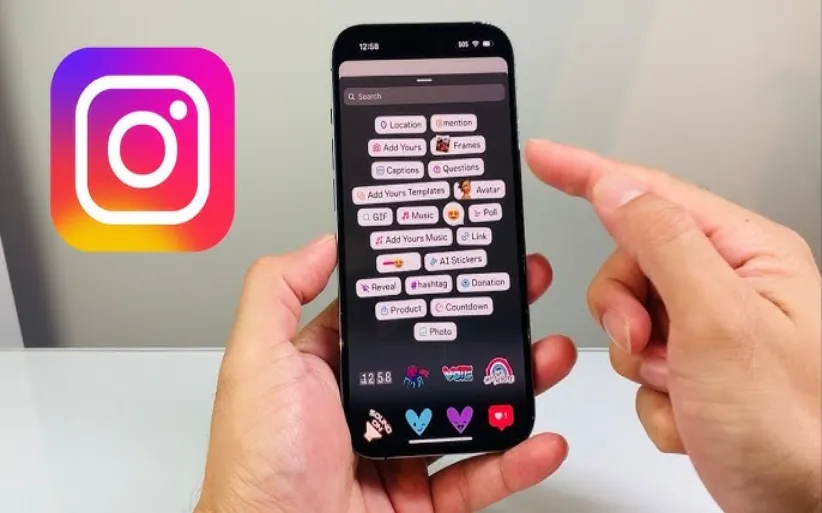
Did you know that you can share other people's stories? Sometimes, you feel like reposting o...
The Instagram algorithm is a frequently used phrase in social media. But what does it resemble? I...

Nowadays, engagement is the talk of social media. Fake followers, bots, or inactive accounts can ...